Hurricane Hunter Salary After Certification
These Hurricane Hunter Pilot Salary are tasked with flying into severe weather systems to collect critical data, often working for government agencies or research institutions. The complexity of their missions, combined with the expertise required, positions their compensation above the average for standard commercial or military pilots.
The hurricane hunter pilot salary is influenced by several factors, including years of experience, educational background, and the employing organization. Entry-level pilots, even after certification, may start at a lower salary range but can anticipate significant increases as they gain flight hours and participate in more challenging missions. Additionally, advanced training and specialized skills, such as meteorological analysis or aircraft maintenance, can positively impact earning potential within this niche field.
Beyond base pay, the hurricane hunter pilot salary often includes additional benefits such as hazard pay, comprehensive insurance, and retirement plans, reflecting the inherent dangers associated with the role. Pilots in this field may also receive allowances for travel and time spent away from home, further enhancing the overall compensation package. As the value of accurate weather data continues to grow, the demand for skilled professionals is expected to sustain competitive hurricane hunter pilot salary levels in the years to come.
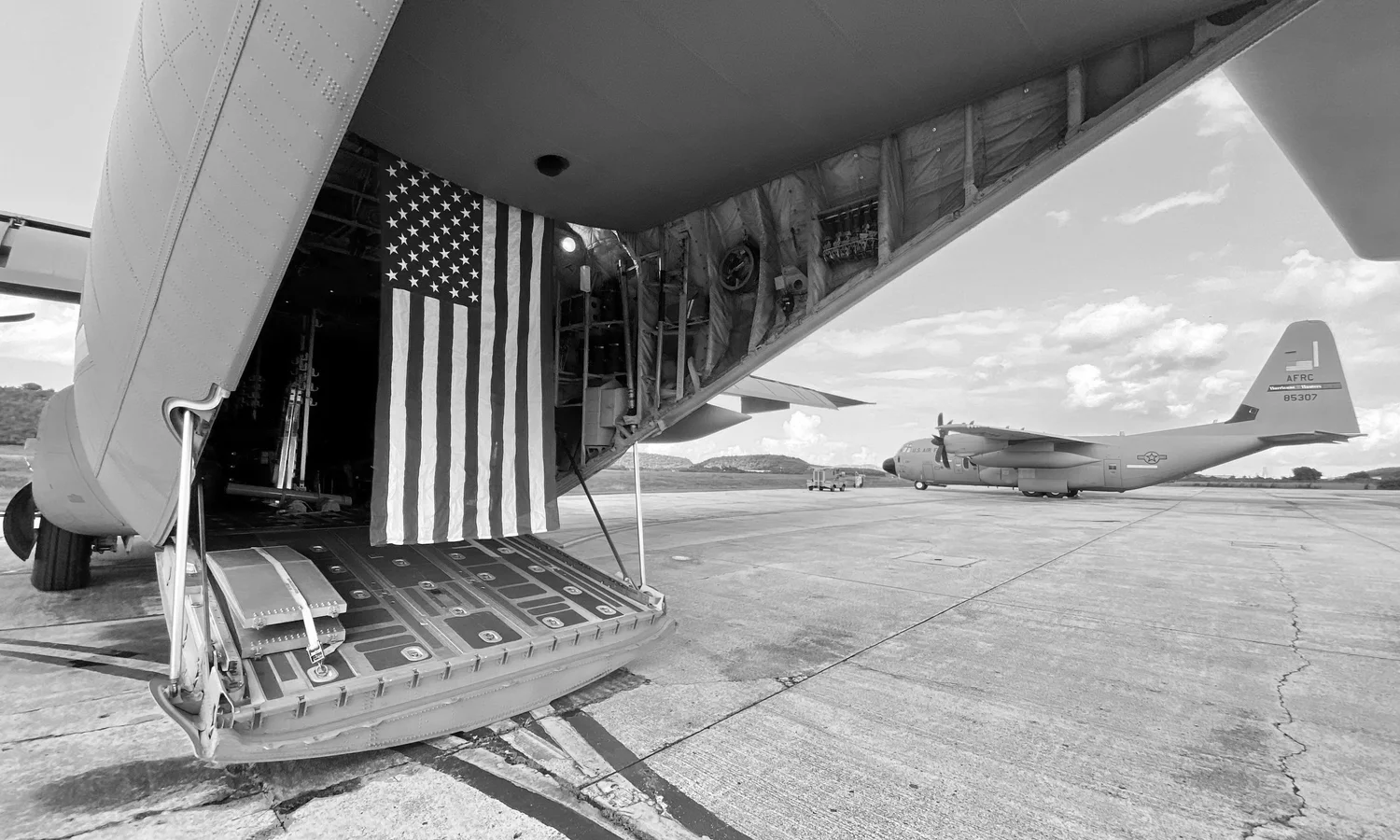
Seasonal Variations Hurricane Hunter Salary
The role of a hurricane hunter pilot is both unique and essential, requiring specialized skills and a high level of commitment. During hurricane season, these professionals are tasked with flying directly into severe storms to gather critical data, which aids meteorologists in forecasting and public safety efforts. Understandably, the Hurricane Hunter Pilot Salary reflects the challenging nature of the job, with pay often influenced by the frequency and intensity of operations during peak periods.
During the months when hurricanes are most active, pilots may work extended hours and take on more missions, leading to increased compensation through overtime or mission-specific bonuses. Outside of hurricane season, the workload typically decreases, which can affect overall annual earnings. This seasonality means that income for these pilots is not always consistent throughout the year, as it is heavily dependent on weather patterns and operational demands.
Pilots with advanced training or those in higher-ranking positions may receive higher pay, especially if they are responsible for leading missions or training new crew members. Despite the variability, the profession remains highly respected due to its vital contribution to public safety and scientific research, and the Hurricane Hunter Pilot Salary often reflects both the risks and the expertise required for this specialized field.
Understanding Hurricane Hunter Pilot Earnings
The role of a hurricane hunter pilot is both unique and demanding, requiring specialized skills and training to safely navigate some of the most severe weather conditions on the planet. These pilots are often employed by organizations such as the United States Air Force Reserve or the National Oceanic and Atmospheric Administration, where their primary duty involves flying aircraft directly into hurricanes to collect critical data. The complexity and risk involved in this work are key factors influencing the hurricane hunter pilot salary, making it a subject of interest for those considering a career in aviation or meteorology.
When evaluating the hurricane hunter pilot salary, several variables come into play, including experience, rank, and the specific agency of employment. Entry-level pilots may start on the lower end of the pay scale, but opportunities for advancement and additional compensation often arise with time and expertise. Benefits packages typically include health coverage, retirement plans, and allowances for hazardous duty, all of which can enhance the overall value of the compensation received by these specialized professionals.
In comparison to other aviation roles, the hurricane hunter pilot salary generally reflects the high level of risk and responsibility associated with the position. Pilots may receive bonuses or additional pay for missions conducted during peak hurricane seasons or for flying into particularly severe storms. As public awareness of the importance of weather data collection increases, there may be further adjustments in compensation, ensuring that the hurricane hunter pilot salary remains competitive and continues to attract skilled individuals to this vital field.
Hurricane Hunters Association
701 Fisher St, Rm 204 Keesler Air Force Base, MS, United States, Mississippi 39534
(228) 377-2056